The Full Story
02
My Story
Before our son was born, we lost three children.
It changed what we were willing to build a life around, and it's the reason everything after this looks the way it does.
After everything we’d been through, we understood exactly how precious he was.
We gave him a Chinese name that means happiness and gratitude. That’s how we hope he grows up. Happy and grateful by nature.
And we decided he wasn’t going to grow up the way we did.
If you’ve never lived in Singapore, it’s hard to explain the pressure. It’s a world-class city. Safe, efficient, wealthy. But underneath that polish is an education system built on competition. Fear of losing. Fear of falling behind. Fear of not being good enough.
Both my wife and I went through it. We came out stressed, competitive in ways that didn’t serve us, measuring our worth by external markers.
Here’s the thing most people don’t know: in Singapore, the government school system is compulsory for citizens. Opting out isn’t really an option. If we stayed, our son would have no choice.
When we found out we were finally having him, after years of loss, we asked ourselves one question:
Do we want our son to grow up the same way?
The answer was no. Not after everything we’d been through to have him.
There was a second reason, and that one was mine. My health had been sliding for a long time. I was getting weaker, I was in pain most days, and I was struggling to keep up with my own life. I didn’t want my son growing up with a father who was quietly getting worse every year. Chiang Mai was where I could slow down enough to turn that around. Rest, better food, time to train properly. That part worked. I’m in far better shape now than I was when we left.
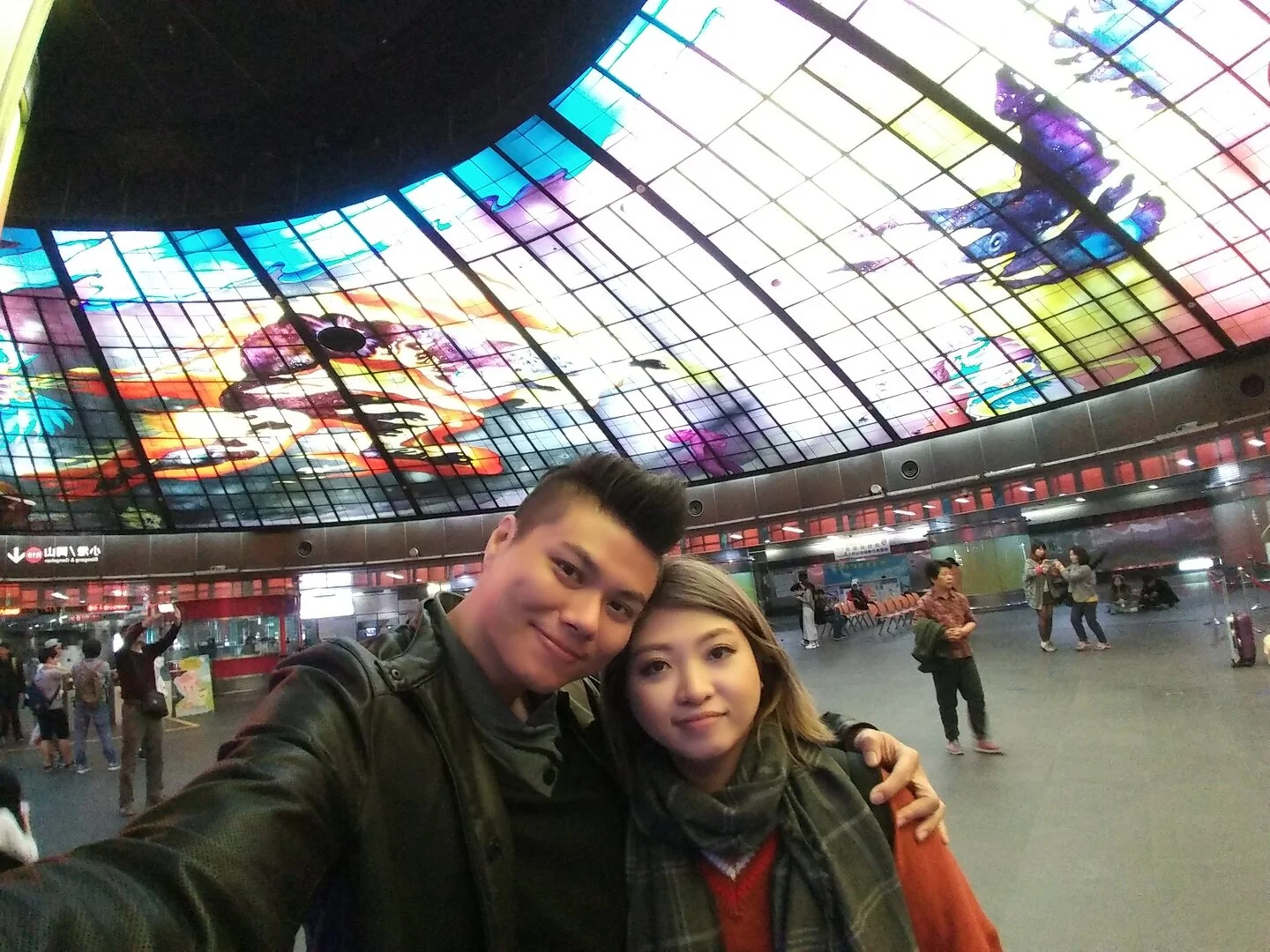
My wife and I have been together since 2008. When I looked back at our relationship, I noticed something: the happiest times we’d ever had were when we were traveling.
Thailand. Taiwan. These were the countries we kept returning to, year after year. Thailand especially. We’d visited almost every year.
So I asked her: “What if we could live every day like we’re traveling? What would that feel like?”
That question unlocked everything.
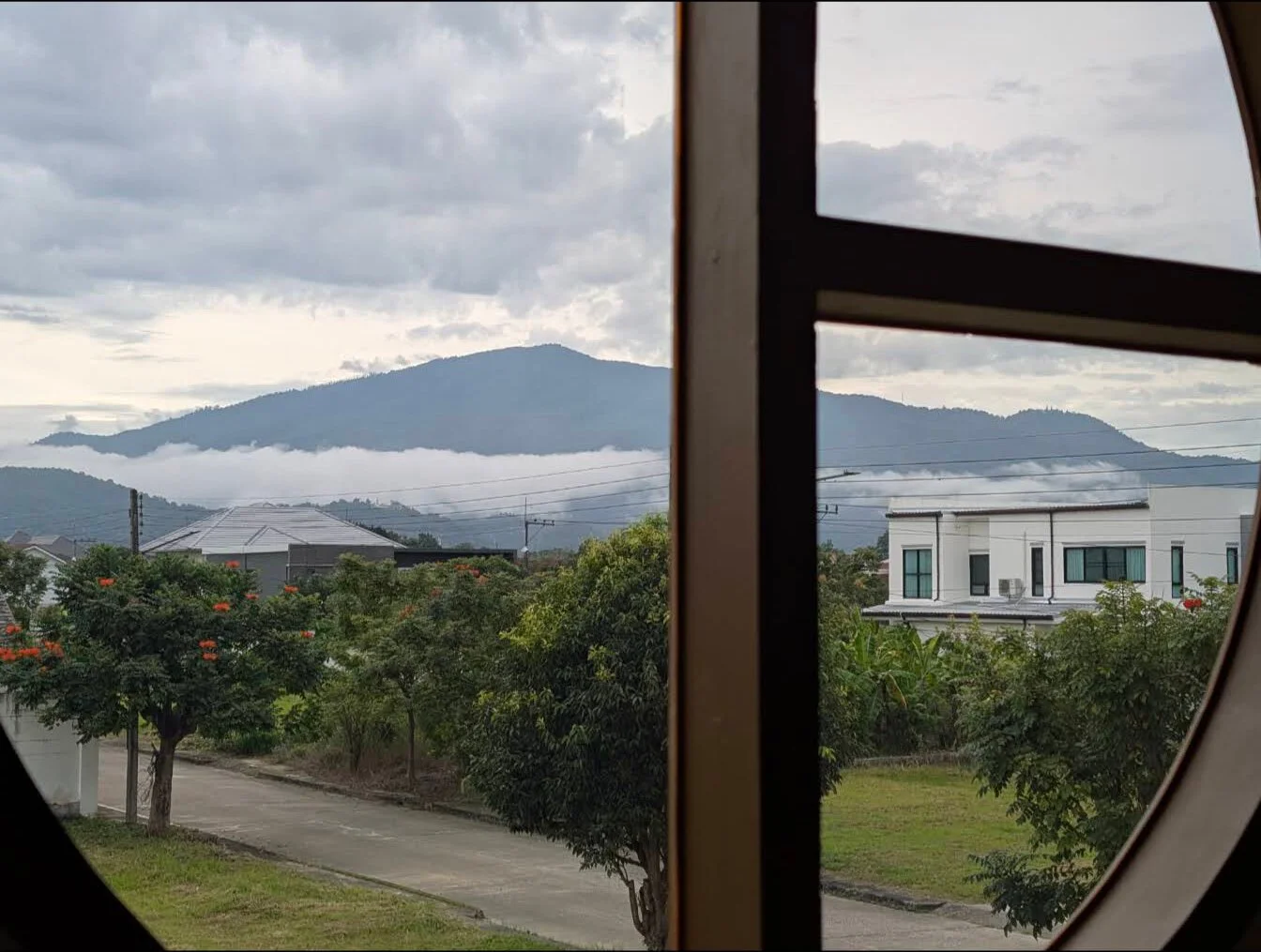
Chiang Mai specifically made sense for multiple reasons. There’s very little real nature in Singapore. It’s a city-state, efficient but concrete. I believe nature plays a big part in a child’s development.
But it’s not just the nature. Chiang Mai is rated one of the safest cities in Asia, ahead of Singapore, actually. The culture here is kind. People help one another. It’s a gentle Buddhist culture, less dog-eat-dog. More bound by kindness than competition.
So in 2022 we sold everything. The flat. My motorcycle. All the devices. Everything we’d accumulated in Singapore, gone. We packed what mattered and made the move.
Coming from a traditional Asian family, this wasn’t easy. My parents wouldn’t just pick up and move to another country.
Someone had to go first. Someone had to prove it was possible, not just talk about it.
That someone was me.
At 18, I went into National Service like every Singaporean man. Infantry.
Before that, I was rebellious. Gaming, hanging out with friends, no direction. I didn’t know what I wanted.
The army changed that. It grounded me. Gave me discipline. And somewhere in that process, I discovered technology.
Computers were expensive back then (this was over 20 years ago) but I was hooked. After NS, I worked as a motherboard specialist for Gigabyte and MSI, building custom PCs, deep in hardware. I loved understanding how things actually worked.
I tried other paths too. Door-to-door sales. Network marketing. I was actually good at it, but I hated what it did to friendships. It felt like turning every relationship into a transaction. So I stopped.
I tried a lot of things before finding my path.
I spent most of my working life in the corporate world. Over sixteen years in commercial production across animation, video and games, with credits on multiple Disney Junior animated series and more than sixty games, from mobile titles to a console release on Steam, PlayStation, Xbox and Nintendo Switch. Promotions collected.
I learned a lot. How to deliver under pressure. How large organizations actually work: the politics, the processes, the glacial pace of change. I once worked at a company with more than 18 nationalities. You understand people differently when you’re surrounded by that much diversity.
That was the education. This is the part I still use.
The cost of a production, counted in hours rather than budget. How long a character rig takes before it’s usable. How many passes a shot needs before it reads.
A schedule goes quietly wrong about three weeks before anyone notices.
I spent years trying to build a different kind of business, and I gave each attempt a real run rather than a weekend. Two faceless YouTube channels, about two years. Affiliate marketing and Facebook ads, about three. An app company, another two. Then software and marketing work for agencies, which got a full year before I called it.
Some of it worked. Most of the job turned out to be selling, and I’d simply rather be building. That’s a preference, not a shortcoming, and it took years of trying before I stopped arguing with it.
The ads years are worth separating out. I made the ads and ran them myself, so I saw what happened to my own work after it left my desk. That was a different kind of education, and it is the part I still use.
Here’s the part I didn’t notice while it was happening. Through every month of all of it, I was still animating. Not occasionally. Every day.
The work I thought I was moving on from never actually stopped.
The faceless channels are the clearest example of what those attempts looked like. I hired a team for hand-drawn animations. Professional voice actors. High production quality. The videos were good, but the niche had low CPM. Costs exceeded revenue. I gave it a full year before deciding anything, the way I always do. It didn’t work. But I learned the YouTube game inside and out.
I’ve had a lot of goes at this. I’d rather try and fail than never try at all. It’s the same reasoning that put us on a plane to Chiang Mai with everything else sold.
What most people don’t know is that I’ve been using AI tools for years. Not since ChatGPT, since before that. GPT-3 for creative writing work for clients. I was an early Midjourney user, back when it was still in beta. This wasn’t hobby experimenting. It was real production work.
Same with automation. I started with Zapier and Pabbly, then learned Make.com when it got popular, then moved to n8n for more power. Always upgrading tools as better options emerged.
Then COVID hit in 2020. And it hit me hard. Not the virus, but the realization. I watched billion-dollar companies like Singapore Airlines get grounded. Entire countries locked down.
That’s when it landed. Nothing external was as steady as it looked, and the only thing I could actually steer was what I built myself.
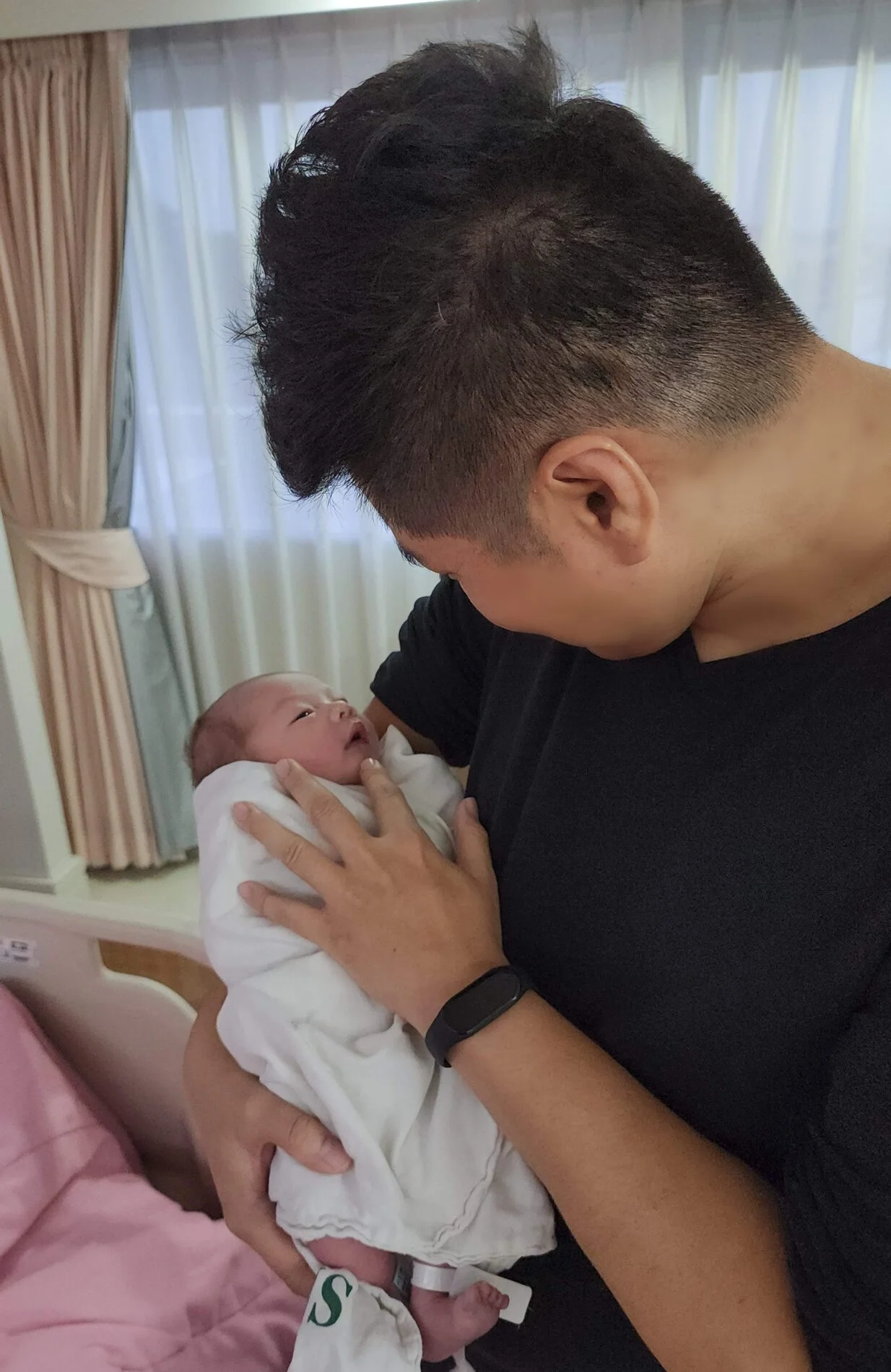
When our son was born, I made a decision that surprised everyone: I stopped. Completely. I took 7 months off. No work, minimal business activity. Just to be present for my wife and son. After losing three children, I wasn’t going to miss a single moment of finally having one.
I told my wife: “You deserve to be a full-time mom if that’s what you want. I’ll handle the finances.”
She took me up on it.
Then AI arrived, and everyone told me what it was about to do to my job.
Here is what actually happened. I had a character to rig, which starts with a flat drawing that has to be cut into parts that can move: head, body, each arm, each leg. In this one the hand was posed in front of the body, so lifting the hand out left a hole behind it. Fill that hole wrong and the body tears open the moment the character moves.
I tried Claude, then GPT, then Gemini, on my own paid accounts, because separating a drawing into parts is exactly the kind of job a machine should be better at than I am. Every one of them handed back something that looked good and wasn’t what I asked for. I lost most of a day finding that out.
It can make something beautiful. Getting it to make what I asked for is the job.
I could have kept pushing. With enough passes and enough correcting I think that job gets there, and I’m not going to pretend otherwise just because it beat me that afternoon.
Three roads out of one problem. Keep correcting the machine until it gets there. Cut every part by hand. Or cut by hand and keep AI on the smaller pieces inside, where it’s genuinely good. I took the third one, because that day it was simply the fastest.
The job was picking the right road before the afternoon was gone. That’s the part nobody hands you.
These tools generate, and they don’t take direction on their own yet. The person they actually help is the one who already knows what the shot is supposed to be, because that person can tell in two seconds that the answer is wrong, and say exactly why.
I still do commercial creative work most days, animation most of all. It’s the craft the rest of this is built on.
Today I make ad creative first. Motion and video, image work, websites, interactive pieces, UGC, presentations too. Commercial work, one person, whole pipeline. Not every frame is made by my hand any more, but every call in it is mine. The site you’re reading is one of those builds.
AI carries most of the pipeline now. It’s fast, and it’s genuinely good at generating footage. It’s not a director. It hands back what it learned rather than what you asked for, and closing that gap is the entire job.
This site is where that work gets shown. The builds themselves, and the tools and workflows that actually hold up.
AI can make almost anything. It can't tell what's good. That part is still my job.
I don’t preach, but I do have beliefs that shape how I live:
I know why I’m doing this. Not for money. Not for status. For something bigger. My family, my freedom, what I give to other people.
I have a choice in how I react. Nobody can make me angry. Nobody can make me sad. Those are reactions I choose. I don’t always manage it. I’m not a saint, I’m still human. It’s what I’m striving toward.
Time is the most important measure. Everyone, rich or poor, powerful or unknown, has the same 24 hours. Time waits for no one. Life is impermanent. Change is the only constant.
I wake up grateful. Not in a performative way. Genuinely grateful for what I have. My family. My health. The freedom to build.
Health is non-negotiable. I said earlier that my health was sliding before we left. This is the part I did about it.
The question that got me moving wasn’t about me. As a son, a husband, a father: what happens if I get sick? Who takes care of the people I love?
That’s when I got serious. I track every single meal. Calories, protein, carbs, fats. Everything. I focus on fitness to have energy, to stay strong, to keep up with my son as he grows.
At my age, I can’t take health for granted. It’s my responsibility to stay fit for my family. To be there for them. Present and strong.
This isn’t vanity. This is duty.
One more thing this life made room for.
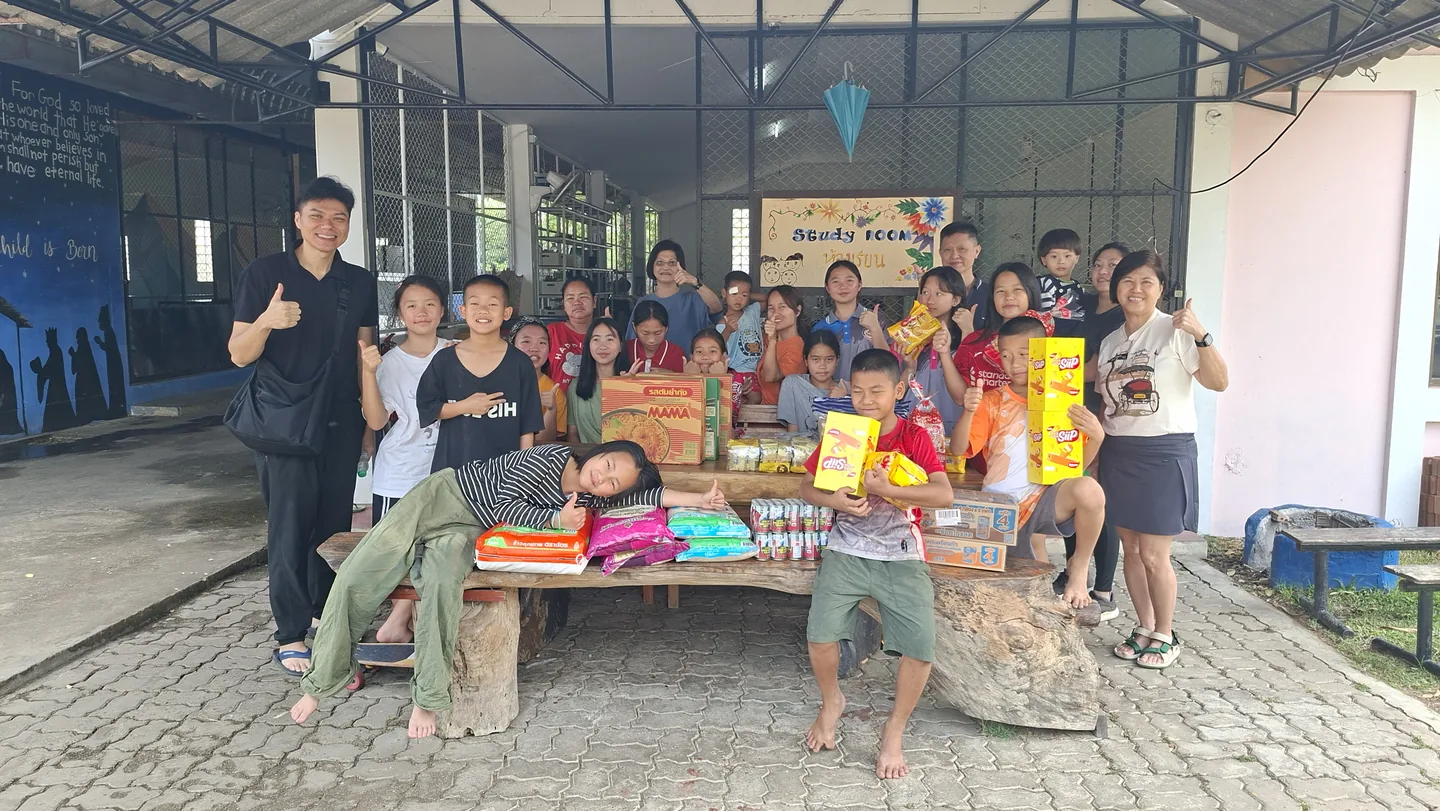
During COVID, I saw news about children in Thailand suffering during the lockdowns. Not having enough to eat. Struggling in ways that kids in Singapore, a first-world country with robust social support, simply don’t.
I was already donating monthly and volunteering weekly in Singapore. Here, the same effort goes further.
So that’s what I do with some of the time this life buys back. Not weekly, and not the same place twice in a row, but often enough that the kids at a few of the homes around here know my face.
It’s not a side project and it’s not a credential. It’s the part of this that keeps the rest of it in proportion.
It keeps me grounded. Reminds me there’s more to life than business metrics and revenue targets.
I’m building one thing on my own name, slowly, and I want it to still fit me in ten years. That rules a lot out. No venture funding, no hundred-person company, nothing that only works if I’m someone other than who I am. It has to leave room for my son while he is still small, and for the parts of the week that have nothing to do with any of this.
What I want to do with it is narrow. Make commercial work, show how it actually got made, and pass on the tools and habits that hold up under a real deadline. Then do that alongside other people doing the same work, because this job is lonely enough on your own.
If you make ads, edit video, or do other commercial creative work on your own, I’m documenting what I find here: what worked, what cost more than it was worth, and how each piece got made.
I don’t have it all figured out. I’ve been building for years and I’ve failed at plenty of it. What I write down is what actually held up.
No one builds alone.
My wife trusted my vision when I said “let’s sell everything and leave.” She didn’t doubt me. After years together and everything we’d been through, she believed in the plan.
My son is the reason I care about any of this. I want him to grow up happy and grateful. I want him to see that you can build a life on your own terms. That you don’t have to follow the template.
If any of this resonates, see what I’m building.